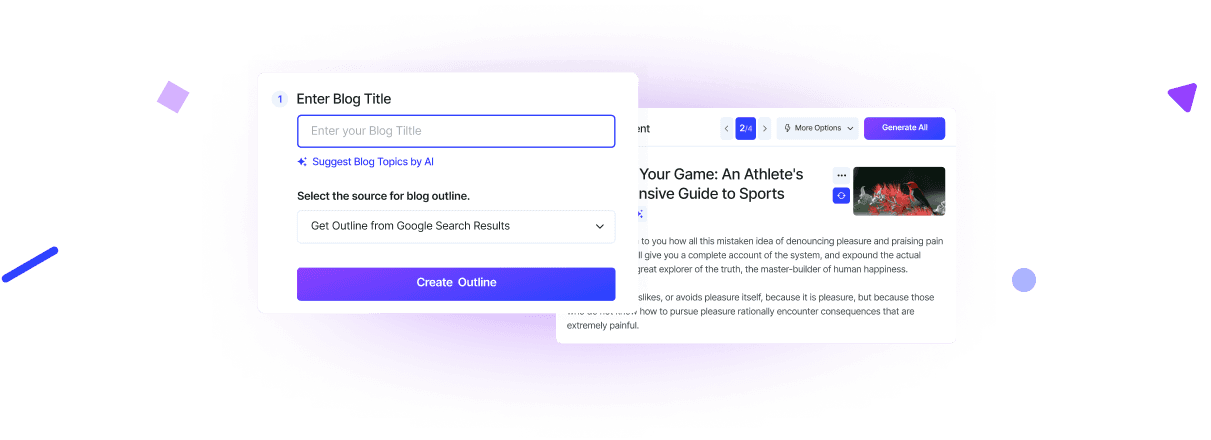
Writing Clickworthy Blog Titles: A Step-by-Step Guide to Crafting Irresistible Headlines
Are you struggling to come up with blog titles that drive traffic and boost engagement? Look no further. In this comprehensive guide, we'll walk you through the process of writing clickworthy blog titles that capture your audience's attention and entice them to read more. By the end of this tutorial, you'll have the skills and knowledge to craft blog titles that resonate with your target audience and set your content up for success. Whether you're a seasoned blogger or just starting out, this guide is perfect for anyone looking to improve their title-writing skills and increase their online visibility.
Step 1: Understand Your Audience and Keyword Research for Writing Clickworthy Blog Titles
Before you start writing your blog title, it's essential to understand who your target audience is and what they're looking for. Conduct keyword research to identify relevant terms and phrases that your audience is searching for. Use tools like Google Keyword Planner or Ahrefs to find keywords with high search volume and low competition. For example, if you're writing a blog post about travel, your target audience might be searching for keywords like "best destinations for summer vacation" or "top travel tips for beginners." 
Step 2: Keep it Short and Sweet - The Art of Writing Catchy Blog Titles
When it comes to writing clickworthy blog titles, brevity is key. Aim for a title that's short, concise, and to the point. According to a study by HubSpot, titles with 6-9 words get the most Twitter shares. Use action verbs and questions to create a sense of curiosity and encourage clicks. For instance, "What are the Best Ways to Boost Your Energy Levels?" is a more compelling title than "Energy Boosting Tips." 
Step 3: Make it Emotionally Resonant - The Power of Emotional Appeals in Clickworthy Blog Titles
Emotional appeals can be a powerful tool in writing clickworthy blog titles. Use words and phrases that evoke emotions like excitement, curiosity, or surprise. For example, "The Shocking Truth About [Industry/Topic]" or "You Won't Believe the Benefits of [Product/Service]." This type of title creates a sense of intrigue and encourages readers to click to learn more. Consider using emotional triggers like "limited time offer" or "exclusive deal" to create a sense of urgency.
Step 4: Use Numbers and Statistics - The Benefits of Data-Driven Clickworthy Blog Titles
Using numbers and statistics in your blog title can make it more compelling and credible. For example, "10 Ways to Improve Your Writing Skills" or "The Top 5 Productivity Tools for Entrepreneurs." This type of title provides a clear idea of what the reader can expect from the article and creates a sense of authority. Consider using data-driven titles like "The 20% Increase in [Industry/Topic]" or "The $1000 Benefits of [Product/Service]."
Step 5: Be Creative and Unique - The Importance of Originality in Clickworthy Blog Titles
Avoid using clichés and overused phrases in your blog title. Instead, try to come up with something unique and creative. Use alliteration, rhyme, or wordplay to make your title stand out. For example, "The Ultimate Guide to Unleashing Your Inner Writer" or "The Secret to Making Your Content Go Viral." Consider using a question or a statement that challenges the reader's assumptions.
Step 6: Optimize for SEO - The Role of Keyword Optimization in Clickworthy Blog Titles
While it's essential to write a catchy and creative title, it's also crucial to optimize it for SEO. Use relevant keywords and phrases in your title, but make sure they fit naturally and don't compromise the overall quality of the title. Use tools like Google Keyword Planner or Ahrefs to find the best keywords for your article. Consider using long-tail keywords like "writing clickworthy blog titles for beginners" or "crafting irresistible headlines for travel blogs."
Step 7: Use Action Verbs and Calls-to-Action - The Power of Action-Oriented Clickworthy Blog Titles
Using action verbs and calls-to-action in your blog title can encourage readers to take action and engage with your content. For example, "Learn How to Write a Novel in 30 Days" or "Discover the Secrets to Boosting Your Productivity." This type of title creates a sense of urgency and motivates the reader to click and learn more. Consider using verbs like "get," "find," or "discover" to create a sense of excitement and curiosity.
Step 8: Make it Scannable and Mobile-Friendly - The Importance of Readability in Clickworthy Blog Titles
With the majority of internet users accessing content on their mobile devices, it's essential to make your blog title scannable and mobile-friendly. Use short sentences and concise language to make your title easy to read and understand. Avoid using jargon or technical terms that might confuse your audience. Consider using a title that's no more than 60 characters long, so it doesn't get cut off on mobile devices.
Step 9: Test and Refine - The Importance of A/B Testing in Clickworthy Blog Titles
Once you've written your blog title, it's essential to test and refine it. Use A/B testing tools to compare different versions of your title and see which one performs better. Consider testing different keywords, phrases, or word orders to see what resonates best with your audience. Use analytics tools to track your title's performance and adjust it accordingly.
Step 10: Analyze and Learn - The Importance of Data Analysis in Clickworthy Blog Titles
Finally, it's essential to analyze and learn from your blog title's performance. Use data and analytics to track your title's click-through rate, engagement, and conversions. Identify what works and what doesn't, and adjust your title-writing strategy accordingly. Consider using tools like Google Analytics or SEMrush to track your title's performance and gain insights into your audience's behavior.
Frequently Asked Questions
Q: What is the ideal length of a clickworthy blog title? A: The ideal length of a clickworthy blog title is between 6-9 words. However, it's essential to keep it concise and to the point.
Q: How do I optimize my blog title for SEO? A: Use relevant keywords and phrases in your title, but make sure they fit naturally and don't compromise the overall quality of the title. Use tools like Google Keyword Planner or Ahrefs to find the best keywords for your article.
Q: Can I use questions in my blog title? A: Yes, using questions in your blog title can be an effective way to create curiosity and encourage clicks. For example, "What are the Best Ways to Boost Your Energy Levels?" or "How Can I Improve My Writing Skills?"
Q: How do I make my blog title scannable and mobile-friendly? A: Use short sentences and concise language to make your title easy to read and understand. Avoid using jargon or technical terms that might confuse your audience. Consider using a title that's no more than 60 characters long, so it doesn't get cut off on mobile devices.
How To Write Catchy Blog Titles: 12 Tips And Examples

How to write catchy blog titles: 12 tips and examples
How To Write Catchy Blog Titles: 12 Tips And Examples

How to write catchy blog titles: 12 tips and examples
How To Write Catchy Blog Titles: 12 Tips (With Examples)
How to Write Catchy Blog Titles: 12 Tips (With Examples)
How To Write Catchy Blog Titles: 12 Tips And Examples

How to write catchy blog titles: 12 tips and examples